
How do I make money fast?
Stabilize needs, finish Basic HR, run one high-traffic shop with full shelves, then reinvest before luxury spends.

Big Ambitions money guide: easy early cash from wages and one shop, safer 1.0 loans, and a reinvest order into stock, staff, vans, then warehouses.
Easy cash, loans, and reinvestment order.
~5 min read
This Big Ambitions money guide is the early cash ladder: starter wages, one profitable shop, safer 1.0 loans, and the reinvestment order that beats luxury spending. It answers “easy money” without pretending factories print cash on day one. Verified August 31, 2026.
| Cash stage | Primary source |
|---|---|
| Hours 0–12 | Starter job + Uncle Fred path wages |
| First shop week | Retail/service till after stock + staff |
| Stable shop | Markup tuned via MarketInsider |
| Multi-shop | Shared logistics, less personal hauling |
| Mid/late | Factory vertical + high-margin retail |
| Mode | Single-player only (AI rivals) |
“Easy money” in Big Ambitions means reliable daily surplus, not a casino clip. Early cash is three layers stacked in order.
| Layer | What you do | Fails when |
|---|---|---|
| Wages | Finish starter jobs / objectives | You skip to retail broke |
| One shop | High Traffic Index + full shelves | Dead location or empty stock |
| Pricing | Match demand, then nudge markup | Max prices with no buyers |
| Needs | Keep Energy/Hunger/Happiness up | You burn the day recovering |
Basic HR tuition, fridge food, and opening inventory all come before empire fantasy. If needs keep interrupting, fix that first — low Hunger/Happiness tax Energy harder in 1.0.
A single Coffee Shop, Gift Shop, Gym, or similar short-list business with staff coverage outperforms three half-stocked leases. Type tiers: best business. Week-one sequence: beginner guide.
When the till is green most days, decide whether a loan accelerates stock — or just funds a bad car.
Casino nights, random fund FOMO, and Hamptons window shopping are lifestyle sinks. They can be fun after payroll is automatic — they are not early cash strategy. Same for buying a sports car that cannot haul pallets when you are still the delivery driver.
If a tip promises millions without naming Traffic Index, stock depth, or loan payments, treat it as entertainment, not a plan.
Loans are tools for rent + renovation + opening stock, not lifestyle. 1.0 banking rewrote the soft EA habits: expect higher income gates, real interest pressure, daily minimum payments, partial repayment options, and painful late-tax behavior.
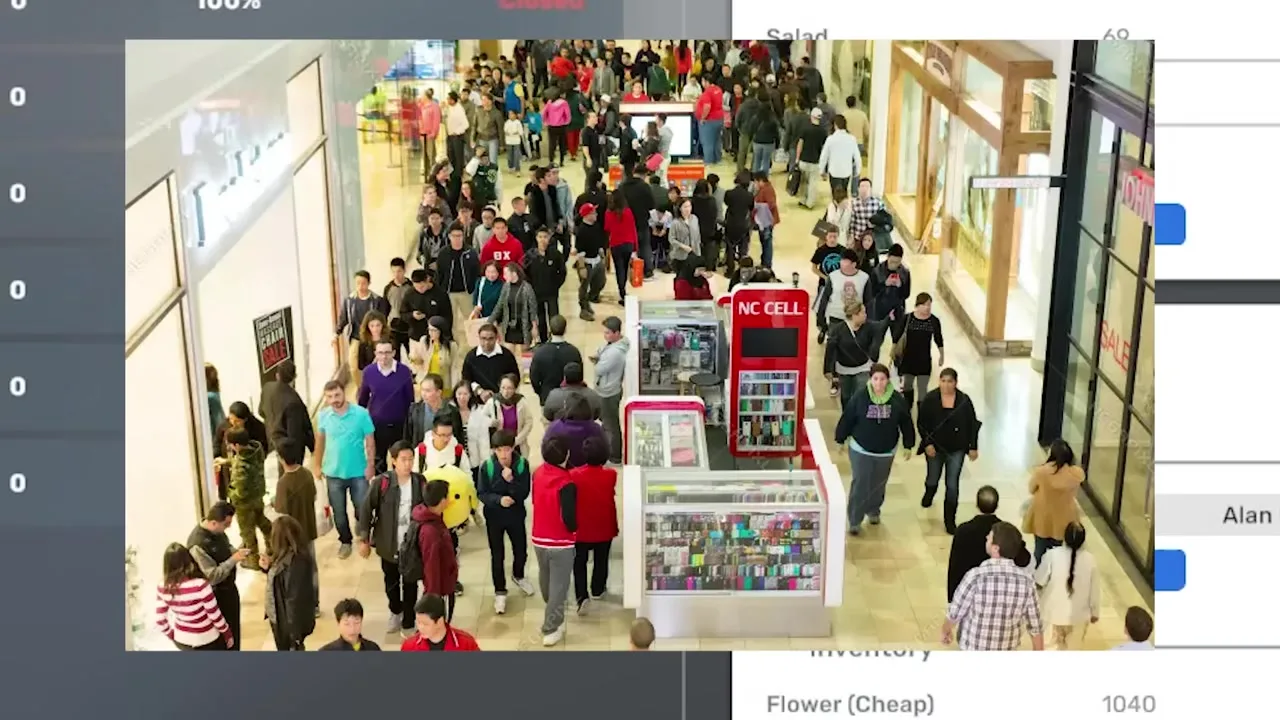
Good: unlocks a higher Traffic Index slot you can actually stock. Bad: funds a Mersaidi while shelves are empty. Vehicle cargo matters later for logistics — early passenger vanity rarely pays rent.
Investment funds and bigger real-estate plays show up after the first shop is stable. Do not divert week-one surplus into casino nights or fund FOMO while payroll is shaky.
If the loan is covering productive assets, the next question is spend order.
1.0 banking supports more flexible repayment behavior than “ignore it until it hurts.” When a good sales week lands, knock down principal before you unlock another vanity lease. Keeping the daily minimum easy is how easy money stays easy.
Reinvestment order is where most “I made money then went broke” runs die. Use this priority until multi-shop logistics force a warehouse.
| Priority | Buy | Why |
|---|---|---|
| 1 | Stock depth | Empty shelves waste Traffic Index |
| 2 | Staff coverage | Missed shifts = missed hourly capacity |
| 3 | Cleanliness / security as needed | Theft and filth cut effective sales |
| 4 | Cheap cargo van | Stops personal hauling burnout |
| 5 | Warehouse slot | When two+ shops fight your calendar |
| 6 | Factory inputs | Only after retail cash flow is boringly stable |
Before buying another lease, open MarketInsider and fix prices that sit above local demand. Dead SKUs are silent losses. Habit page: pricing guide.
Understaffed shops cap customer capacity. Overstaffed shops with wrong schedules burn wages. Hire path and manager desks: employees.
When personal delivery trips dominate the day, you have outgrown “flip one retail” — scale next.
Matched by build plan, shared topics, and guide progression — not random related links.
Stop treating every dollar as “open another tiny shop” when restock travel, duplicate rent, and thin management eat the surplus. That is the handoff into infrastructure.
| Signal | Next move |
|---|---|
| You drive stock all day | Van + warehouse staging |
| Two shops, one brain | Logistics Manager + delivery plans |
| Margins thin on imports | Factory vertical for key SKUs |
| Prices drift per store | HQ Pricing Manager later |
| Cash is thick, time is not | Automate managers before more leases |
Harbour imports, vans/trucks, and delivery windows turn capital into time. Start here: warehouse logistics. Produce in-house when import margins hurt: factory guide.
Jewelry, electronics, and clothing print more per sale and demand security, better locations, and deeper stock. They are not “easy money” until the early ladder is done.
If you only needed the early ladder, jump to best-business for which shop to scale first.
Stabilize needs, finish Basic HR, run one high-traffic shop with full shelves, then reinvest before luxury spends.
Only if daily payments fit a pessimistic till. 1.0 banking is stricter than late Early Access habits.
No — they need inputs, workers, and logistics. Unlock them after retail cash flow is stable.
Stock, staff, then warehouse — see also tips for softlock habits.
Early on, yes — they buffer bad sales days and fund Basic HR or emergency restocks. Once the till reliably covers rent and wages, drop the grind jobs.
Only after shelves are full and prices are sane. Ads on empty inventory burn money twice.
Matched by build plan, shared topics, and guide progression — not random related links.